
Can Mould Make You Sick? Symptoms You Should Never Ignore
Yes, mould can make you sick. While not every type of mould is highly toxic, prolonged exposure to indoor mould spores can trigger a wide range of health problems. These effects can be mild for some people and severe for others, depending on sensitivity, duration of exposure, and the level of contamination in the property.
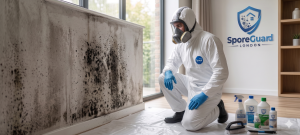
Mould thrives in damp, poorly ventilated environments such as bathrooms, kitchens, basements, and areas affected by leaks or condensation. Once it begins to grow, it releases microscopic spores into the air, which can be inhaled or come into contact with the skin.
For many households, the issue starts quietly – small patches on walls or ceiling, but the health impact can build up over time.
What Causes Mould Growth Indoors?
Understanding the cause of mould is key to preventing both property damage and health risks. Mould requires three main conditions to grow:
- Moisture (leaks, condensation, rising damp)
- Organic material (dust, wood, wallpaper, fabric)
- Poor ventilation
Once these conditions exist together, mould can spread quickly across surfaces and even behind walls where it is not immediately visible.
Common household causes include:
- Leaking pipes or roofs
- Poor insulation leading to condensation
- Drying clothes indoors without ventilation
- Flood damage not fully dried out
- Blocked air vents or lack of airflow
Can Mould Make You Sick? The Health Risks Explained
Exposure to mould affects people differently. Some may experience no noticeable symptoms, while others develop significant respiratory and immune-related issues.
The health risks are primarily caused by inhaling mould spores, which can irritate the airways and trigger inflammatory responses in the body.
Common Health Effects of Mould Exposure
People exposed to mould may experience:
For individuals with asthma or allergies, mould exposure can significantly worsen symptoms and trigger frequent flare-ups.
Symptoms You Should Never Ignore
Some symptoms may seem minor at first but can indicate ongoing exposure to mould in your home. Ignoring these signs can lead to worsening health over time.
Respiratory Symptoms
If you notice ongoing breathing issues, it may be linked to mould exposure:
- Constant coughing, especially at night
- Tightness in the chest
- Increased asthma attacks
- Frequent sinus infections
Neurological and General Symptoms
Mould exposure may also affect overall wellbeing:
- Persistent headaches
- Difficulty concentrating (brain fog)
- Unexplained fatigue
- Dizziness
Skin and Eye Reactions
Direct or airborne exposure can irritate sensitive areas:
- Red or itchy eyes
- Skin rashes or irritation
- Sensitivity to light
If these symptoms improve when away from home and worsen when returning, it may indicate an indoor mould problem.
Who Is Most at Risk from Mould Exposure?
Not everyone reacts to mould in the same way. Some groups are more vulnerable due to weaker immune systems or pre-existing health conditions.
Higher-risk individuals include:
- Babies and young children
- Elderly individuals
- People with asthma or allergies
- Those with weakened immune systems
- Individuals with chronic respiratory conditions
For these groups, even low levels of mould exposure can cause noticeable health effects.
Hidden Mould: The Problem You Cannot Always See
One of the biggest dangers of mould is that it is not always visible. It can grow behind wallpaper, under flooring, inside ventilation systems, or within cavity walls.
Signs of hidden mould include:
- Persistent musty smell
- Peeling wallpaper or paint
- Damp patches that reappear
- Increased humidity indoors
- Allergy symptoms without visible mould
If these signs are present, mould may already be spreading inside structural areas of the property.
Long-Term Health Effects of Mould Exposure
Long-term exposure to mould can have more serious consequences, particularly if the issue is left untreated for months or years.
Possible long-term effects include:
- Chronic respiratory conditions
- Worsening asthma
- Increased sensitivity to allergens
- Ongoing fatigue and reduced quality of life
In rare cases, certain types of mould may produce mycotoxins, which are compounds that can further irritate the body when exposure is prolonged.
How to Tell If Mould in Your Home Is Affecting You
If you suspect mould may be impacting your health, consider the following patterns:
- Symptoms worsen when indoors
- Symptoms improve when away from home
- Multiple household members are affected
- You notice visible mould or damp areas
These patterns strongly suggest an environmental cause rather than a seasonal illness.
What to Do If You Suspect Mould in Your Home
If mould is suspected, it is important to act quickly. The longer mould is left untreated, the more it spreads and the greater the potential health risks.
Immediate Steps to Take
- Identify and fix sources of moisture (leaks, condensation)
- Increase ventilation (open windows, use extractor fans)
- Dry damp areas thoroughly
- Avoid disturbing large mould patches without protection
Professional Assessment
For widespread or recurring mould, a professional mould inspection is often necessary. This ensures the root cause is identified and properly treated, rather than just cleaning the surface growth.
How to Prevent Mould Growth in the Future
Prevention is the most effective long-term strategy for controlling mould in the home.
Practical Prevention Tips
Small changes in household habits can significantly reduce the risk of mould returning.
When to Seek Professional Help
If mould continues to return despite cleaning and ventilation improvements, it may indicate a deeper structural issue such as rising damp or hidden leaks.
Professional help should be considered when:
- Mould covers large areas
- It keeps returning after cleaning
- There is a strong persistent musty smell
- Health symptoms are ongoing or worsening
Specialists can identify the source and apply long-term solutions to prevent recurrence.
Final Thoughts: Do Not Ignore the Signs
Mould is more than just an aesthetic issue—it can directly affect your health and quality of life. Recognising early symptoms and understanding the risks can help you take action before the problem escalates.
If you or your household are experiencing ongoing symptoms alongside signs of damp or mould, it is important not to dismiss them. Addressing the issue early is the most effective way to protect both your home and your wellbeing.
Takeaways
Mould exposure can contribute to respiratory problems, skin irritation, fatigue, and worsening allergies. The symptoms should never be ignored, especially when they persist or worsen indoors.
Expert Tips and Guides on How To Stop Mould and Mildew
- How to Prevent Mould in Winter in UK Homes
- Best Anti-Mould Paints and Do They Actually Work?
- Why Your Bathroom Keeps Getting Mildew (Even With Cleaning)
- Mould vs Mildew: What’s the Difference and Why It Matters
- How to Get Rid of Mildew Smell in House Walls and Fabrics
- Can Mould Make You Sick? Symptoms You Should Never Ignore
- Black Mould in Bathrooms: Causes, Health Risks, and How to Remove It Safely
- How to Tell If Mould in Your Home Is Toxic or Harmless