
Black Mould in Bathrooms: Causes, Health Risks, and How to Remove It Safely
Black mould in bathrooms is one of the most common household damp problems, but it is also one of the most underestimated. While many people treat it as a cosmetic nuisance, persistent mould growth—especially in enclosed, humid spaces like bathrooms—can pose real health risks and may indicate deeper moisture problems within the property.
Bathrooms provide the perfect environment for mould: warmth, moisture, and limited ventilation. Once established, black mould can spread rapidly across tiles, grout, ceilings, sealant, and even behind walls.
The key issue is not just appearance, it is the continuous release of spores into the air, which can be inhaled daily.
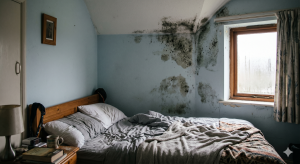
What Is Black Mould?
“Black mould” typically refers to species such as Stachybotrys chartarum, although in domestic bathrooms it is often a mix of different mould types that appear dark green or black in colour.
Regardless of exact species, visible black mould indicates:
- Excess moisture
- Poor ventilation
- Organic material for mould to feed on (soap residue, dust, paint, sealant)
It is important to understand that any persistent mould growth indoors should be treated seriously, not just visually removed.
Why Bathrooms Are a Hotspot for Black Mould
Bathrooms create ideal conditions for mould growth due to constant humidity and water exposure.
Main Causes of Black Mould in Bathrooms
- Hot showers creating steam and condensation
- Poor or no ventilation (blocked or missing extractor fans)
- Windows kept closed after bathing
- Leaking pipes or damaged seals
- Water pooling in corners or around fixtures
- Silicone sealant breakdown around baths and showers
- Damp towels or bath mats left in enclosed spaces
When moisture has nowhere to escape, it settles on surfaces and is absorbed into porous materials—allowing mould colonies to develop quickly.
How Dangerous Is Black Mould in Bathrooms?
Black mould is not something that should be ignored or repeatedly cleaned without addressing the underlying cause. While not every exposure leads to severe illness, prolonged or repeated exposure increases health risks significantly.
The danger lies in airborne spores, which are invisible and continuously released into the environment.
These spores can be inhaled deep into the respiratory system, particularly in small enclosed spaces like bathrooms where ventilation is limited.
Health Risks of Black Mould Exposure
Exposure affects individuals differently, but bathroom mould is particularly concerning because of the high humidity and frequent inhalation in a confined space.
Respiratory Health Risks
Black mould exposure may contribute to:
- Persistent coughing or throat irritation
- Wheezing and shortness of breath
- Aggravated asthma symptoms
- Increased frequency of chest infections
- Sinus congestion and inflammation
Neurological and Systemic Symptoms
In more prolonged exposure cases, individuals may experience:
- Headaches
- Fatigue and low energy
- Difficulty concentrating (often described as brain fog)
- Dizziness or general discomfort
Skin and Eye Irritation
Direct contact with spores or contaminated surfaces can cause:
- Red, itchy or watery eyes
- Skin rashes or irritation
- Increased sensitivity in individuals with allergies
High-Risk Groups
Certain individuals are more vulnerable to the effects of black mould:
- Babies and young children
- Elderly people
- Individuals with asthma or allergies
- People with weakened immune systems
For these groups, even low-level exposure in a bathroom environment can trigger noticeable symptoms.
Why Black Mould Keeps Coming Back
One of the most frustrating aspects of bathroom mould is recurrence. Even after cleaning, it often returns within days or weeks.
This happens because cleaning only removes surface growth—not the underlying moisture problem.
Common hidden causes include:
- Moisture trapped behind tiles or plaster
- Inadequate extractor fan performance
- Condensation within wall cavities
- Hidden leaks behind showers or baths
- Poor insulation leading to cold surfaces where condensation forms
Unless the source of moisture is resolved, mould will continue to reappear.
Hidden Black Mould: What You Cannot See Can Harm You
Not all mould is visible. In bathrooms, it often grows behind:
- Tiles and grout
- Silicone seals
- Bathroom cabinets
- Wall panels
- Flooring edges
Signs of hidden mould include:
- Persistent musty smell
- Peeling paint or bubbling plaster
- Constant condensation on walls or mirrors
- Damp patches that return after drying
If these signs are present, mould may already be spreading internally.
How to Remove Black Mould Safely
Removing bathroom mould requires caution. Disturbing dry mould can release a higher number of spores into the air.
Step-by-Step Safe Removal Process
1. Protect Yourself
Before cleaning:
- Wear gloves
- Use a mask (ideally FFP2 or FFP3)
- Ensure good ventilation (open windows, run extractor fan)
2. Use Appropriate Cleaning Solutions
Effective options include:
- Specialist mould remover sprays
- Diluted bleach solution (for non-porous surfaces only)
- Hydrogen peroxide-based cleaners
Never mix cleaning chemicals.
3. Clean Non-Porous Surfaces
- Tiles
- Glass
- Metal fixtures
Scrub affected areas thoroughly and rinse well.
4. Address Silicone Sealant Carefully
If mould has penetrated silicone:
- Surface cleaning may not be enough
- Severely affected sealant often needs replacement
5. Dry the Area Completely
Moisture control is essential:
- Wipe surfaces dry after cleaning
- Use ventilation or a dehumidifier
When DIY Cleaning Is Not Enough
In some cases, mould in bathrooms indicates a deeper structural or ventilation issue.
Professional help should be considered if:
- Mould returns quickly after cleaning
- Large areas are affected
- There is a persistent damp smell
- Walls or ceilings show signs of damp damage
Ignoring persistent mould can lead to ongoing health exposure and structural deterioration.
How to Prevent Black Mould in Bathrooms
Prevention is significantly more effective than repeated cleaning.
Essential Prevention Strategies
Small behavioural changes significantly reduce long-term mould growth.
Long-Term Impact of Ignoring Black Mould
Leaving bathroom mould untreated can lead to:
- Continuous exposure to airborne spores
- Worsening respiratory conditions
- Damage to paint, plaster, and fixtures
- Higher repair costs over time
- Reduced indoor air quality throughout the property
Over time, what begins as a small patch in a bathroom can spread into surrounding rooms and structural materials.
Key Warning Signs You Should Never Ignore
You may be dealing with a more serious mould issue if you notice:
- Symptoms that improve when away from home
- Increasing patches of mould despite cleaning
- Strong musty odour in the bathroom
- Constant condensation on cold surfaces
- Discolouration spreading across walls or ceilings
These signs suggest ongoing moisture problems that require more than surface cleaning.
Final Thoughts: Black Mould Is More Than a Surface Problem
Black mould in bathrooms is not simply a cleaning issue—it is a warning sign of excess moisture and poor ventilation that can directly affect indoor air quality and health.
While small patches can be managed safely, persistent or recurring mould should always be treated seriously. The most effective solution is not just removal, but addressing the underlying cause.
Protecting your home from mould is ultimately about protecting your long-term health, especially in high-moisture environments like bathrooms.
Key Takeaway
Black mould in bathrooms thrives in damp, poorly ventilated conditions and can release spores that affect respiratory health, particularly in vulnerable individuals. Safe removal and proper moisture control are essential to prevent recurrence and reduce health risks.
Expert Tips and Guides on How To Stop Mould and Mildew
- How to Prevent Mould in Winter in UK Homes
- Best Anti-Mould Paints and Do They Actually Work?
- Why Your Bathroom Keeps Getting Mildew (Even With Cleaning)
- Mould vs Mildew: What’s the Difference and Why It Matters
- How to Get Rid of Mildew Smell in House Walls and Fabrics
- Can Mould Make You Sick? Symptoms You Should Never Ignore
- Black Mould in Bathrooms: Causes, Health Risks, and How to Remove It Safely
- How to Tell If Mould in Your Home Is Toxic or Harmless