
Mould vs Mildew: What’s the Difference and Why It Matters
Mould and mildew are often treated as the same problem in UK homes, but they are not identical. While both are fungal growths linked to moisture, they differ in structure, severity, behaviour, and the level of risk they pose to your home.
Misidentifying them can lead to ineffective cleaning, recurring damp issues, and long-term damage to walls, ceilings, and indoor air quality.
This guide provides a detailed comparison so you can accurately identify mould vs mildew, understand what causes each, and apply the correct prevention strategy.
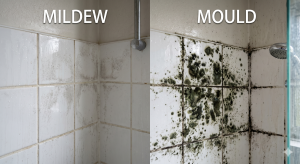
Quick Overview: Mould vs Mildew
Before diving deeper, here is a simple distinction:
- Mildew: Surface-level growth, usually light-coloured, easier to remove
- Mould: Deep-rooted growth, often dark-coloured, harder to eliminate
Both are caused by moisture, but mould is generally more advanced and potentially more damaging.
Visual Comparison: How to Tell Them Apart
Mildew Appearance
- Flat or slightly powdery texture
- Usually white, grey, or pale yellow
- Grows in even, patch-like patterns
- Often appears “dusty” rather than fuzzy
- Found on surfaces like tiles, grout, and painted walls
Mould Appearance
- Raised, fuzzy, or slimy texture
- Typically black, green, brown, or dark blue
- Grows in irregular, spreading patches
- May stain or penetrate surfaces
- Often found in hidden or poorly ventilated areas
Causes: Why Mould and Mildew Form in UK Homes
Both mould and mildew are caused by moisture, but they respond differently depending on conditions.
Shared causes include:
- High indoor humidity
- Poor ventilation
- Condensation on cold surfaces
- Water leaks or seepage
- Lack of airflow in enclosed spaces
However, the severity and duration of moisture exposure determine whether mildew or mould develops.
Key Differences Explained in Detail
1. Depth of Growth
- Mildew: Stays on the surface of materials
- Mould: Penetrates into porous materials such as plaster, wood, and wallpaper
This is why mould is harder to fully remove—it often exists beneath the visible layer.
2. Structural Impact
- Mildew: Cosmetic staining and surface discolouration
- Mould: Can weaken materials over time, causing deterioration
Mould can damage walls, ceilings, and wooden structures if left untreated.
3. Speed of Spread
- Mildew: Slow, localised growth
- Mould: Faster spreading, especially in damp environments
Mould spores can travel through air and colonise new areas quickly.
4. Moisture Requirements
- Mildew: Needs regular but light moisture (e.g. condensation)
- Mould: Requires sustained or hidden moisture (e.g. leaks or trapped damp)
This is why mildew is common in bathrooms, while mould often appears in hidden spaces.
5. Odour Differences
- Mildew: Mild musty smell
- Mould: Strong, earthy, persistent odour
If you notice a strong damp smell, mould is more likely present.
Health Risks: Why the Difference Matters
Both mould and mildew can affect indoor air quality, but mould is generally more concerning.
Mildew-related issues:
- Mild allergic reactions
- Irritated eyes or nose
- Minor respiratory discomfort in sensitive individuals
Mould-related risks:
- Asthma flare-ups
- Persistent coughing or wheezing
- Allergic reactions
- Headaches or fatigue in some cases
- Aggravation of existing respiratory conditions
Mould produces more airborne spores, increasing exposure risk.
Where You Typically Find Mildew
Mildew appears in areas where moisture is frequent but not deeply trapped.
Common locations:
- Bathroom tiles and grout
- Shower curtains and glass screens
- Painted ceilings in humid rooms
- Window frames with condensation
- Fabric surfaces like towels or bath mats
It is often the first visible sign of excess moisture.
Where You Typically Find Mould
Mould tends to develop in areas with persistent or hidden damp.
Common locations:
- Behind furniture against external walls
- Inside cupboards with poor airflow
- Around leaking pipes or plumbing
- Under flooring or carpets
- Deep within plaster or wallpaper layers
Mould often indicates a longer-term moisture issue.
How to Identify Which One You Have
Ask yourself these questions:
- Is it flat and light-coloured? → likely mildew
- Is it dark, fuzzy, or spreading? → likely mould
- Does it return quickly after cleaning? → likely mould
- Is there a strong musty smell? → likely mould
- Is it only on the surface? → likely mildew
This quick check helps determine severity.
Removal Differences: Mildew vs Mould
Removing Mildew
- Can often be cleaned from the surface
- Usually responds well to regular cleaning methods
- Does not typically require material replacement
However, if moisture continues, it will return.
Removing Mould
- Requires deeper treatment beyond surface cleaning
- May involve removing affected materials
- Needs moisture source to be fixed first
- Often requires repeated treatment if underlying issue remains
Mould removal is not just cleaning—it is remediation.
Prevention Strategy for Both
Although different in severity, prevention is largely the same.
Key prevention methods:
- Improve ventilation in all moisture-prone rooms
- Reduce indoor humidity levels
- Dry surfaces after showers or cooking
- Avoid drying clothes indoors where possible
- Maintain consistent heating in colder months
- Address leaks and damp sources immediately
Moisture control is the most important factor.
When Mildew Becomes a Bigger Problem
Mildew can develop into mould if conditions worsen.
This happens when:
- Moisture exposure becomes constant
- Ventilation remains poor over time
- Surfaces stay damp for long periods
- Hidden damp begins to develop
At this stage, what starts as a surface issue becomes a deeper structural concern.
Why Understanding the Difference Matters
Knowing the difference between mould and mildew is essential for maintaining a healthy UK home environment.
Mildew is typically an early warning sign of excess moisture, while mould indicates a more serious and persistent damp problem. Treating them the same way often leads to repeated recurrence and ineffective cleaning.
Accurate identification allows you to apply the correct solution—whether that is simple surface cleaning, improved ventilation, or deeper damp investigation.
In short, recognising the difference is the first step towards long-term control of moisture-related issues in the home.
Expert Tips and Guides on How To Stop Mould and Mildew
- How to Prevent Mould in Winter in UK Homes
- Best Anti-Mould Paints and Do They Actually Work?
- Why Your Bathroom Keeps Getting Mildew (Even With Cleaning)
- Mould vs Mildew: What’s the Difference and Why It Matters
- How to Get Rid of Mildew Smell in House Walls and Fabrics
- Can Mould Make You Sick? Symptoms You Should Never Ignore
- Black Mould in Bathrooms: Causes, Health Risks, and How to Remove It Safely
- How to Tell If Mould in Your Home Is Toxic or Harmless