
How to Prevent Mould in Winter in UK Homes
Mould is one of the most persistent and damaging issues faced by UK homeowners during winter. With colder temperatures, increased indoor heating, and reduced ventilation, condensation builds up quickly, creating ideal conditions for mould growth. Left untreated, mould can damage walls, ceilings, furniture, and even pose serious health risks.
This comprehensive guide explains exactly how to prevent mould in winter in UK homes using practical, long-term strategies that reduce dampness, improve ventilation, and protect your living environment.
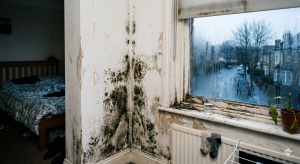
Why Mould Is So Common in UK Homes During Winter
Winter in the UK creates the perfect storm for mould growth. The combination of cold external temperatures and warm indoor heating leads to condensation on cold surfaces such as windows, external walls, and ceilings.
- Poor ventilation in sealed modern homes
- Drying clothes indoors
- Cooking without extractor fans
- Long hot showers increasing indoor humidity
- Cold bridges in older housing structures
- Inadequate insulation
When moisture in the air cannot escape, it settles on surfaces and allows mould spores to thrive.
Understanding the Health Risks of Mould Exposure
Mould is not just an aesthetic issue. It can directly impact health, especially in vulnerable individuals.
Common health effects include:
- Respiratory issues such as coughing and wheezing
- Aggravation of asthma symptoms
- Allergic reactions including sneezing and skin irritation
- Eye and throat irritation
- Increased risk of infections in immunocompromised individuals
Children, elderly residents, and those with existing respiratory conditions are particularly at risk.
How Mould Forms in Winter: The Science Behind It
To prevent mould effectively, it is important to understand how it forms.
Mould requires three conditions:
- Moisture
- Organic material (dust, wood, wallpaper glue)
- Warm temperatures
In UK homes during winter, moisture is the key trigger. When warm air hits a cold surface, it condenses into water droplets. Over time, this moisture creates the perfect environment for mould spores to grow and spread.
Best Ways to Prevent Mould in Winter in UK Homes
1. Improve Ventilation Throughout the Home
Ventilation is the most effective long-term solution.
Practical steps:
- Open windows for 10–15 minutes daily
- Use trickle vents where available
- Keep internal doors slightly open to allow airflow
- Install extractor fans in kitchens and bathrooms
Proper airflow reduces humidity and prevents condensation build-up.
2. Control Indoor Humidity Levels
Keeping humidity below 60% significantly reduces mould risk.
You can control humidity by:
- Using a dehumidifier in problem areas
- Avoiding drying clothes indoors where possible
- Covering pans when cooking
- Running extractor fans during and after showers
A hygrometer can help monitor moisture levels accurately.
3. Reduce Condensation on Windows and Walls
Condensation is one of the earliest warning signs of mould risk.
Effective methods include:
- Wiping windows every morning
- Using thermal curtains
- Improving insulation around window frames
- Keeping furniture slightly away from external walls
This prevents stagnant moisture from forming on cold surfaces.
4. Improve Heating Efficiency
Consistent heating helps reduce cold spots where mould thrives.
Best practices:
- Maintain a steady low heat instead of short bursts
- Heat all rooms evenly when possible
- Avoid turning heating off completely overnight in very cold weather
Cold rooms are far more likely to develop damp patches.
5. Use Dehumidifiers Strategically
Dehumidifiers are especially useful in older UK homes.
Place them in:
- Bedrooms with condensation issues
- Kitchens with poor ventilation
- Basements or ground-floor rooms
They extract excess moisture from the air, reducing the conditions mould needs to grow.
6. Prevent Moisture From Everyday Activities
Daily habits contribute significantly to indoor humidity.
Simple changes include:
- Drying clothes outdoors or using a tumble dryer with ventilation
- Keeping bathroom doors closed during showers
- Running extractor fans for at least 20 minutes after bathing
- Avoiding overfilling kettles or boiling excess water unnecessarily
Small adjustments can make a major difference over time.
7. Insulate Cold Surfaces
Cold surfaces attract condensation, which leads to mould.
Improvement options:
- Loft insulation upgrades
- Cavity wall insulation
- Thermal wallpaper or insulation boards in problem rooms
- Double or triple glazing upgrades
Insulation reduces temperature differences, limiting moisture formation.
8. Address Existing Damp Issues Early
Damp problems can quickly escalate if ignored.
Watch for:
- Musty smells
- Peeling wallpaper
- Dark patches on walls or ceilings
- Soft plaster or bubbling paint
If these signs appear, identify and resolve the moisture source immediately.
High-Risk Areas for Mould in UK Homes
Certain areas are more prone to mould growth during winter:
- Bathrooms with poor ventilation
- Kitchens without extractor fans
- Bedrooms with external walls
- Behind wardrobes and large furniture
- Corners of ceilings
- Window frames and sills
Regular inspection of these areas is essential.
Seasonal Winter Checklist to Prevent Mould
Use this practical checklist to stay ahead of mould problems:
- Open windows daily for ventilation
- Run extractor fans consistently
- Check for condensation every morning
- Maintain steady indoor heating
- Use dehumidifiers in damp-prone rooms
- Inspect hidden areas behind furniture
- Dry clothes outdoors where possible
Advanced Tip: Monitoring Humidity Levels
A simple hygrometer can help you maintain optimal indoor air quality.
Ideal humidity range:
- 40% to 60%
Above 60% increases mould risk significantly.
Tracking this helps you take action before visible mould appears.
When to Seek Professional Help
Some mould issues require expert intervention, especially if:
- It keeps returning despite cleaning
- Large areas of walls are affected
- There is structural damp
- You suspect rising damp or leaking pipes
Professional damp specialists can identify root causes that are not visible.
Preventing Black Mould Specifically
Black mould (often Stachybotrys chartarum) thrives in persistent damp conditions.
To prevent it:
- Maintain low humidity levels consistently
- Ensure continuous airflow
- Avoid long-term condensation on surfaces
- Clean early signs immediately with appropriate solutions
Early intervention is key to preventing spread.
Long-Term Strategy for a Mould-Free Winter Home
Preventing mould is not a one-time task but a seasonal maintenance routine.
A long-term strategy includes:
- Improving ventilation systems permanently
- Upgrading insulation where possible
- Developing consistent heating habits
- Monitoring humidity year-round
Homes that follow these steps experience significantly fewer mould issues over time.
Conclusion
Preventing mould in winter in UK homes requires a combination of ventilation, moisture control, heating management, and insulation improvements. By addressing the root causes of condensation and humidity, homeowners can significantly reduce the risk of mould growth and protect both their property and health.
Consistency is essential. Small daily habits, when maintained throughout the winter season, are the most effective defence against mould formation.
Expert Tips and Guides on How To Stop Mould and Mildew
- How to Prevent Mould in Winter in UK Homes
- Best Anti-Mould Paints and Do They Actually Work?
- Why Your Bathroom Keeps Getting Mildew (Even With Cleaning)
- Mould vs Mildew: What’s the Difference and Why It Matters
- How to Get Rid of Mildew Smell in House Walls and Fabrics
- Can Mould Make You Sick? Symptoms You Should Never Ignore
- Black Mould in Bathrooms: Causes, Health Risks, and How to Remove It Safely
- How to Tell If Mould in Your Home Is Toxic or Harmless